


Horse properties are bought
barn-first.
Most listings photograph the kitchen and mention the barn in passing. Horse people shop the other way around — land, water, footing, stalls, then the house. We market equestrian properties in the order the buyer actually thinks.
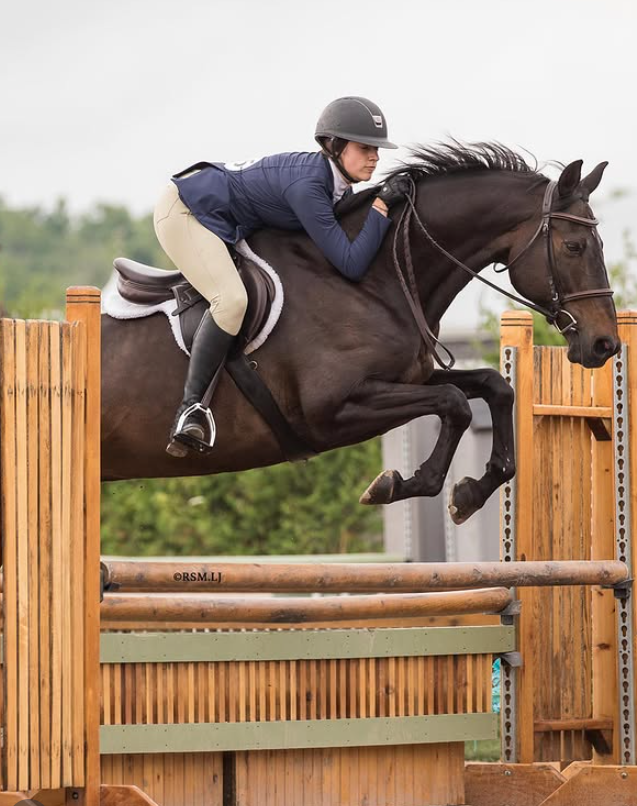
On course, Ontario circuit — this niche is personal for the Bailey family.
Horse people appraise differently. So should the listing.
An equestrian property is a working facility wrapped around a home. Its value lives in details a generic listing never mentions — and a serious buyer checks every one:
Land & turnout
Usable acres matter more than total acres: pasture quality, paddock layout, fencing condition, and how the land drains in March. Wet, low turnout is the first thing an experienced buyer walks.
Water & services
Water to the barn, capacity for the herd, heated lines or hydrants for winter — unglamorous, and worth more to a horse buyer than a renovated ensuite.
The buildings that work
Stall count and size, ventilation, tack and feed rooms, hay storage, and — the crown jewel — an indoor arena with good footing. These are the square footage that actually prices the property.
Location, horse-defined
Truck-and-trailer access, proximity to equine vets, farriers, feed suppliers, trails and show venues. The Puslinch–Wellington–Brant corridor is prized precisely because that ecosystem already exists.
The three traps generic agents don’t see coming.
Rural and equestrian transactions carry rules that simply don’t exist in town — and they surface at the worst moment if nobody checked early.
Zoning & MDS
Agricultural zoning, minimum distance separation from neighbouring livestock operations, and municipal rules about keeping horses — all of it varies by township and must be verified for the specific property, not assumed.
The farm tax question
Ontario’s farm property tax program can dramatically lower taxes on eligible farmland — but many equestrian uses don’t qualify, and a change of use can change the bill. Buyers and sellers should verify eligibility with Agricorp before anyone prices assumptions into an offer.
Wells, septic & conservation
Private services need proper diligence, and conservation authority jurisdiction can shape what future buildings or paddocks are possible. Knowing which questions to ask — and when — keeps a deal from unravelling in conditions.
Both sides of the farm gate.
Farm and acreage deals are their own discipline — and Steve has worked them from both chairs: listing land that sold firm in days, and securing serious facilities for buying clients in competitive conditions. A few from the file:
56-acre equestrian facility · Blandford-Blenheim
A working horse operation near Ayr — 30 box stalls, a 60′ × 120′ indoor riding arena with heated lounge, a 135′ × 210′ outdoor sand ring, and 30+ workable acres. Steve represented the buyers in the acquisition, vetting the facility the way only a farm-literate agent can.
43 acres · Guelph/Eramosa
Agricultural land with 2,300+ feet of Wellington Road 7 frontage — listed by Steve with The Agency and sold firm at full asking price in two days on market. Priced from evidence, marketed to the right buyers, done.
55-acre historical grange · North Dumfries
Workable land, barns and outbuildings around a six-bedroom farmstead — secured for Steve’s buyers in a multiple-offer competition. Winning a farm in multiples takes preparation most agents never do.
74-acre parcel · North Dumfries
A picturesque acreage with cleared land, bush, and large outbuildings — another buyer-side acquisition in the corridor, with the well, services, and land diligence handled properly.
Representative past transactions in the Waterloo–Wellington–Oxford corridor. Details from MLS® records of closed sales in which Steve Bailey acted as listing or buyer’s representative.
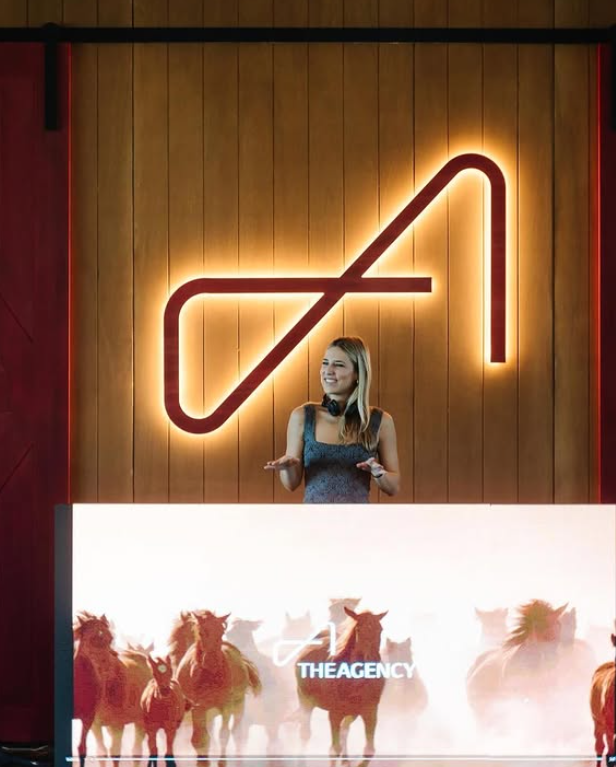
Marketed to horse people, backed by a global brand.
The buyer for a serious facility might be two townships over — or relocating from another province with a trailer full of horses. Campaigns here reach the equestrian community directly, then The Agency’s network and a 119,000-strong launch audience carry the property everywhere else.
Marketed like the facility it is.
The facility dossier
A full specification package — acreage breakdown, stall counts, arena dimensions and footing, water and services, fencing — so serious buyers get serious answers before the first showing.
Photography in the right order
Land, barn, arena, paddocks at their best light — then the house. Drone work that shows the layout of the whole operation, because that’s how a horse buyer reads a property.
Marketing to horse people
The buyer for your farm isn’t scrolling the same feeds as a subdivision buyer. Campaigns reach the equestrian community directly — and The Agency’s network brings the out-of-area buyer relocating their horses with them.
Straight answers on Ontario horse properties.
How many acres do I need for horses in Ontario?
As a working rule of thumb, plan on roughly one to two usable acres of pasture per horse — but the legal answer is municipal: townships set their own zoning for keeping horses, including minimum lot sizes and setbacks. Before buying for horses, verify the specific property’s zoning with the township. “Rural” on a listing is not the same as “you may keep horses here.”
What adds the most value to an equestrian property?
An indoor arena with good footing leads the list — it extends the riding year and separates hobby farms from true facilities. After that: well-maintained fencing and turnout, reliable water to the barn, quality stalls with ventilation, and generous hay and trailer storage. Cosmetic house upgrades matter less here than almost anywhere else in real estate; the facility is the product.
Why do horse farms take longer to sell — and how do you shorten it?
The buyer pool is smaller and more specific, so a generic campaign waits for luck. The fix is precision: a complete facility dossier that pre-answers the diligence questions, marketing aimed at the equestrian community rather than the general market, and pricing built from the facility’s replacement math — not from the three nearest houses on paved roads.
Where is Ontario’s equestrian heartland near the GTA?
The corridor running through Puslinch, rural Wellington County, North Dumfries and into Brant County is prized for exactly what horse owners need: larger parcels, an established ecosystem of equine vets, farriers and suppliers, and reasonable reach to Toronto, the airport, and the show circuit. It’s also precisely the country The Agency works from — our Waterloo Region office sits in the middle of it.
Do horse properties qualify for the farm tax rate?
Sometimes — and the distinction matters. Ontario’s farm property class can tax eligible farmland at a fraction of the residential rate, but eligibility depends on the use and the operation, and many equestrian activities don’t qualify on their own. Never assume the current owner’s tax treatment transfers with the deed: verify with Agricorp and your accountant before it’s priced into anyone’s expectations.

Country estates are a specialty, not a sideline.
Broker & Managing Partner at The Agency, based in the heart of the Puslinch–Wellington–Brant corridor. Three decades of rural, estate, and land work — from country properties to multi-lot land offerings — and a family that spends its weekends at the barn.
Tell us about your farm
Selling, buying, or just wondering what the facility is worth — one email starts the conversation. Tap below and tell Steve about the property and the horses.
Or write directly: steve@soldbybailey.com · A real answer, usually within one hour.
Exceptional properties aren’t listed. They’re launched.
See how we market one-of-one properties — custom identities, specification dossiers, and an audience of 119,000 on day one — or call the office and ask for Steve.